
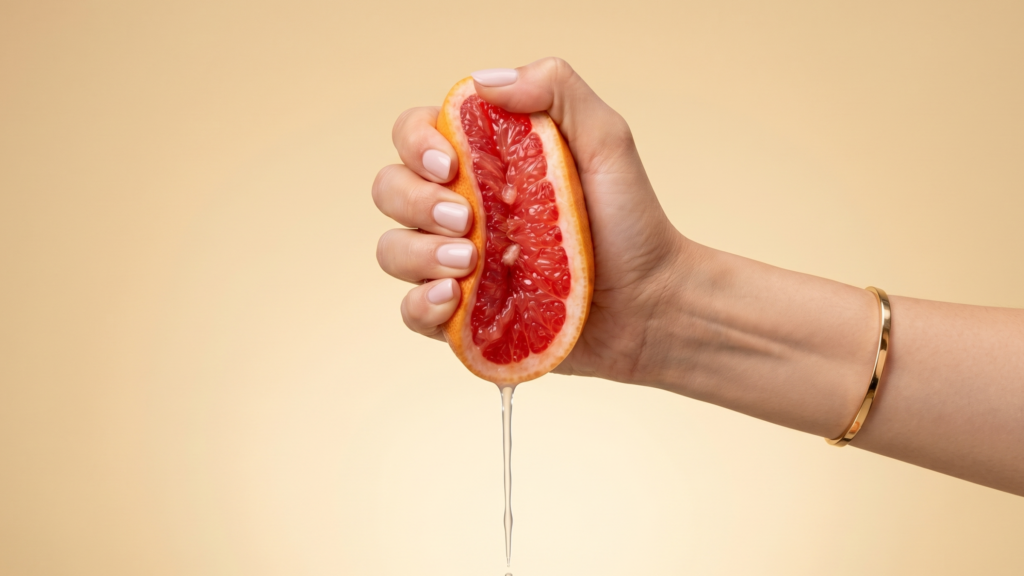
Here’s the rub – to help you get enough daily prebiotic fiber, your fruit may need a little help.
When you load up your bowl with heavy hitters like passion fruit, guavas, or avocados, you are usually chasing great things like polyphenols, natural vitamins, and clean energy. And honestly, you should—whole foods are incredible for your body.
But there is an important missing factor that almost everyone overlooks: how much prebiotic fiber are you actually getting?
The catch with hitting your daily fiber targets is that not all plant fibers do the same job. You might be giving your body plenty of mechanical roughage to keep your digestive tract moving, while still leaving your actual gut bacteria without enough fuel to survive and thrive.
Data from the National Health and Nutrition Examination Survey shows that 95% of Americans fail to meet their daily fiber needs. To put that in perspective, health organizations state you should be getting 25 to 38 grams of fiber every single day. The average American barely hits 15 grams. That means every single day, your digestive system is running on a massive deficit, leaving you feeling heavy and sluggish.
But Not All Fiber is the Same
There are two completely different types of fiber, and your body treats them in totally different ways:
- Insoluble Fiber (“The Broom”): This is the tough, stringy stuff found in fruit skins and crunchy stalks. It doesn’t dissolve in water. It passes straight through your system to keep things moving mechanically, but your gut bacteria cannot actually eat it.
- Prebiotic Soluble Fiber (“The Feast”): This is the actual food your good gut bacteria need to stay alive and keep your stomach happy. When you don’t get enough prebiotics, those hungry microbes don’t just disappear. They turn on you and start eating away at your stomach’s protective mucus lining to survive.
The problem is that everyday fruits and veggies can be low in true prebiotic fiber. They give you plenty of roughage (the broom), but they barely give your microbiome anything to eat (the feast). Most of us treat fiber supplements like an annoying daily chore hoping it fixes our gut, while neglecting the actual prebiotic fiber our microbes live on.
But what if you could turn that daily health chore into a genuine culinary treat? What if reaching a healthy intake of prebiotic fiber was a total joy?
The 12-Banana Problem
To get 7 grams of actual prebiotic fiber—the exact amount in a single tablespoon of OLILO Sweet Fiber Syrup—look at the physical volume of whole foods you would have to chew through based on the Prebiotic Foods Fiber Content Chart:
| Food Item / Sweetener | Total General Fiber | Actual Prebiotic Fiber | What It Takes to Get ~7g of Prebiotics Prebiotic Foods Fiber Content Chart |
| OLILO Syrup (1 Tbsp) | 7.0 grams | 7.0 grams | Just 1 Tablespoon |
| Garlic (Raw) | ~0.2 grams | ~0.03 grams | ~5–7 cloves |
| Leeks (Raw) | ~2.0 grams | ~1.2 grams | ~2–3 medium leeks |
| Onion (Raw) | ~2.0 grams | ~1.2 grams | ~3–4 medium onions |
| Banana (Small) | ~3.0 grams | ~0.5 grams | ~14 small bananas |
| Raspberry (1 Cup) | ~8.0 grams | Negligible | More than 50 cups |
| Strawberry (1 Cup) | ~3.0 grams | Negligible | More than 100 cups |
While raw garlic, leeks, and onions contain concentrated prebiotics, eating them raw in large quantities is highly impractical—and nobody wants to slice raw onions into their morning yogurt bowl or coffee.
On the flip side, eating 12 bananas or 50 cups of raspberries in a single day is unreasonable. On top of that, fruit is naturally full of fructose. Forcing down that much fruit just to help your gut would cause a massive sugar overload.
You don’t need to stop eating your favorite fruits, and you don’t need to treat fiber like a pill-swallowing chore. Instead, you can just use OLILO as a quick prebiotic booster. When you drizzle it over the fruit you already eat, you instantly give your gut bacteria the prebiotic fuel they are starving for—turning a healthy habit into a total pleasure.
Fruit’s Best Friend
You can make your gut and your tastebuds significantly happier with almost zero effort. Here is how to keep your normal whole-food routines while giving them a serious prebiotic upgrade:
- The Strawberry Dip: Pour a little syrup into a bowl and dip fresh berries straight into it for a quick, glossy glaze.
- The Grapefruit Drizzle: Pour a tablespoon over a halved grapefruit to cut the bitter citrus bite without using white table sugar.
- The Two-Minute Compote: Simmer a handful of blueberries with a splash of syrup in a small pot until soft. You get an instant berry topping for morning oatmeal or Greek yogurt.
Easy OLILO Syrup Upgrades
If you want to try something a little more interesting, you can easily infuse the syrup with natural ingredients to keep in your fridge as a custom drizzle:
- Vanilla-Infused: Split a vanilla bean and drop the whole pod into 1 cup of OLILO warming over low heat. Simmer 1 minute. Pour and cool down in a syrup bottle. It’s incredible over sliced apples or fresh berries.
- Saffron-Infused: Warm 1 cup of OLILO on low heat (don’t let it boil), drop in a 10-20 strands of saffron threads, and let it cool. It turns into a golden amber drizzle that pairs perfectly with sliced peaches or melon.
- The Basil Hack: Throw in 10-12 fresh basil leaves into the syrup and let it steep. Use it as a sweet, savory dip for fresh-cut garden tomatoes!
What’s Actually Inside a Tablespoon of OLILO?
- Prebiotic Density: 7 grams of plant-based prebiotic fiber in every single tablespoon.
- The Calorie Count: Only 45 calories per serving. (Mandatory Caloric Disclaimer: OLILO has 45 calories per serving; standard sugar has 150 calories per serving.)
- Pure, Neutral Sweetness: Completely free of sugar alcohols (like erythritol or xylitol), OLILO offers a more balanced sweetness than sugar but with the same clean flavor profile. It lets you sweeten with fiber when you don’t want to overwhelm the nuanced, natural taste of your food.
Changing How We Sweeten Our Food
You don’t need to treat your body like a science project or force down bad supplements to build a healthy gut. Stop cutting the joy out of your food. Upgrade your fruit snacks into nutrient-dense treats your body will actually thank you for.
Q&A
How much prebiotic fiber do you need per day for microbiome health?
Clinical studies show that you need a minimum of 3 to 5 grams of pure prebiotic fiber daily to see a positive impact on your gut’s microbiome. For optimal gut health and robust digestion, many experts recommend aiming for 5 to 10 grams of prebiotics daily.
What is the difference between soluble fiber and prebiotic fiber?
Soluble fiber dissolves in water to form a gel that helps slow down digestion and manage your blood sugar. Prebiotic fiber is an elite, highly specific type of soluble fiber that travels safely to your lower gut where it acts as a food source to help your good gut bacteria do their job and balance your health.